Why Reading homes clog filters faster
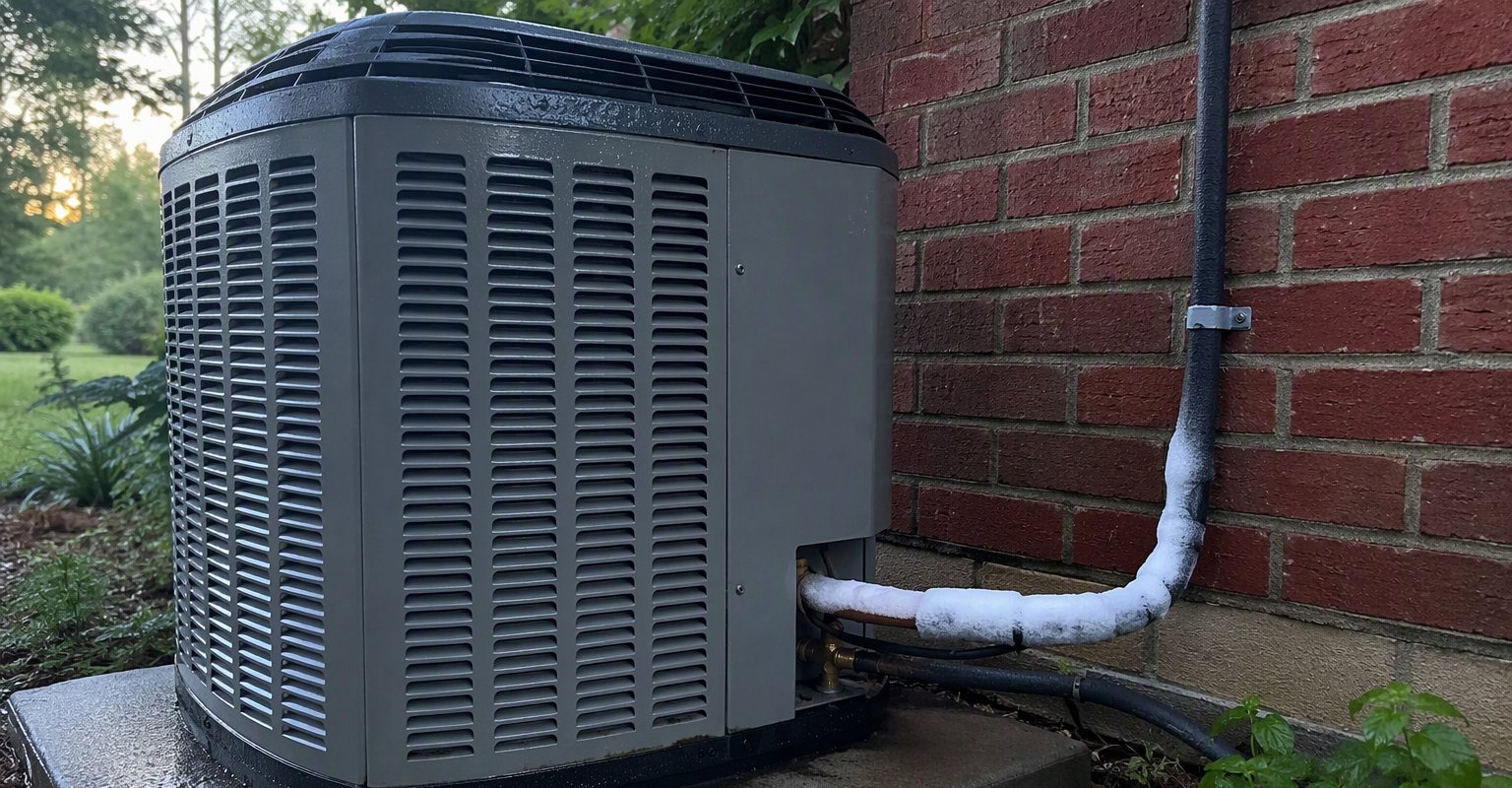
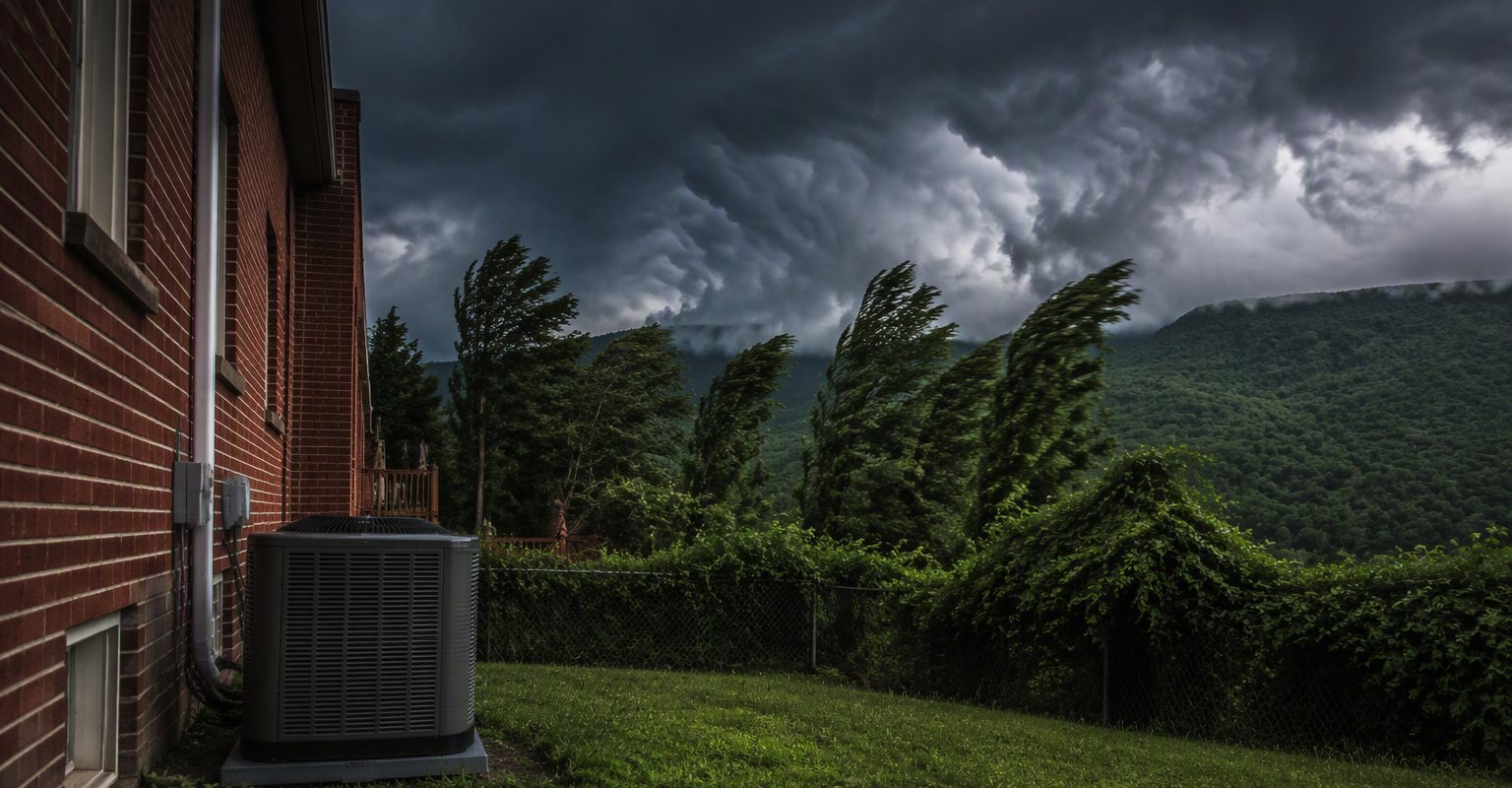
Spring pollen off Mount Penn and the ridge, the fine dust that rides in on every corridor front, and valley humidity all end up at the return grille. Add the moisture — when the system runs long cycles to wring water out of the air, it moves more air through that filter than a dry-climate system ever does — and a filter rated for ninety days in milder country can be loaded here in five or six weeks. A loaded filter strangles airflow, and strangled airflow is the quiet cause behind frozen coils, weak cooling, and compressors that die young.
The schedule that works in the valley
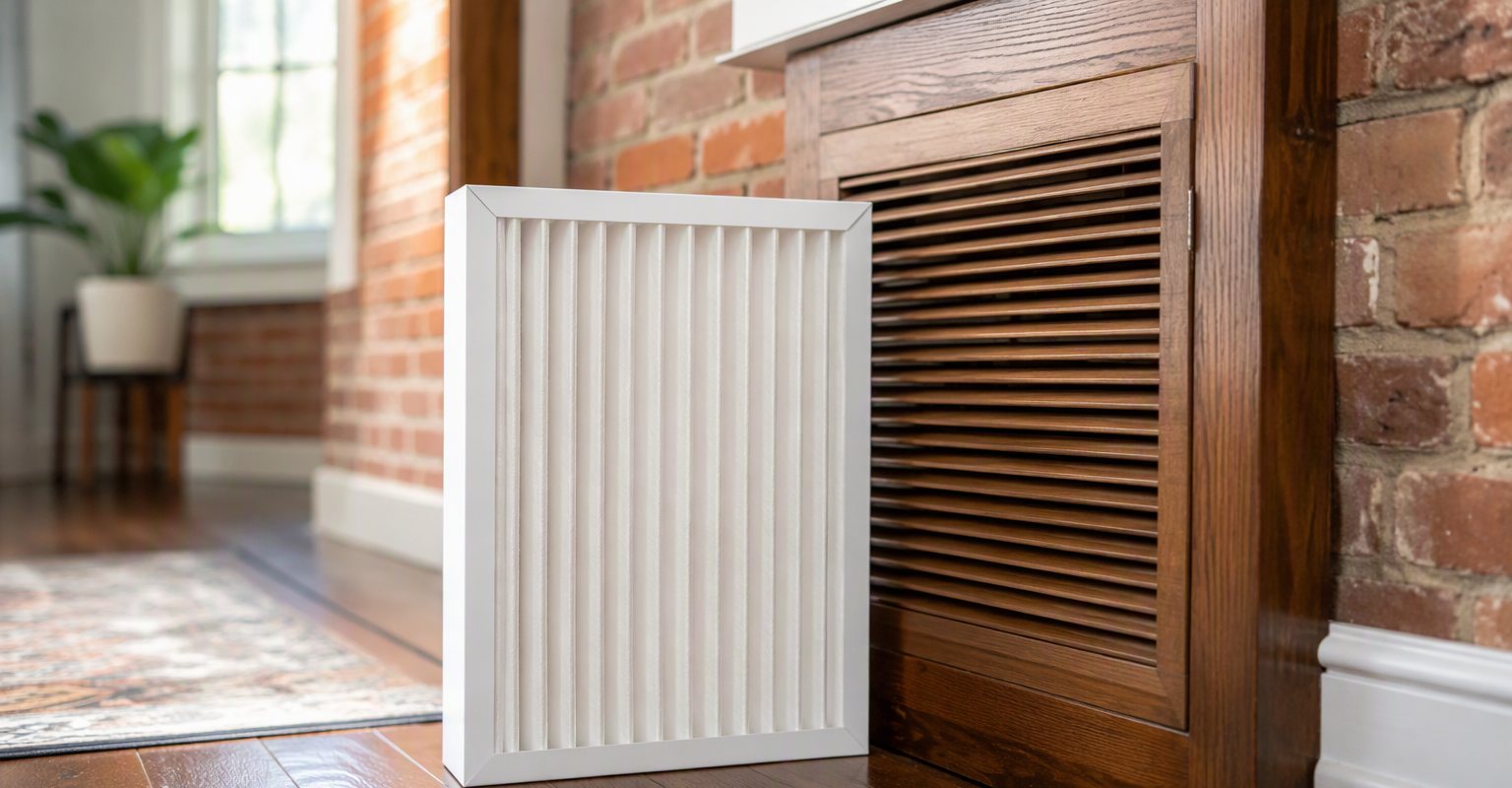
One-inch filters: check monthly from May through September, replace at least every two months — monthly if you have pets or sit under mature trees. Four-inch media filters: check at the start of cooling season, replace every four to six months. Homes on wooded lots or with allergies: stay on the aggressive end of both ranges. The test is simple: pull the filter and hold it to a light. If you can’t see light through it, it was due last month.
What a clean filter actually buys you
Lower bills, first — a choked system runs longer to do the same work, and you pay for every extra minute. Fewer frozen-coil surprises in the hottest week of July, because airflow is what keeps the coil above freezing. Better humidity removal, because the system can finally run its full designed cycle. And a blower motor that lasts its full life instead of fighting a wall of lint. It’s the most cost-effective maintenance in the entire trade — and the most skipped.
A note on MERV ratings for Reading
Higher isn’t automatically better. A MERV 13 catches more valley pollen, but it also restricts airflow on systems not designed for it — and in humid country, airflow is already the scarce resource. Most Reading systems run happiest at MERV 8 to 11 with disciplined replacement. If allergies push you higher, make sure the blower is set up to handle it; a tune-up visit can answer that in one measurement.